Diabetes can quietly affect the blood vessels in the retina, leading to vision loss if left unmanaged. In the early stages, diabetic retinopathy often shows no symptoms. We use OCT and retinal imaging to track changes and help you stay ahead of potential complications.

Diabetic Retinopathy
Macular Degeneration (AMD)
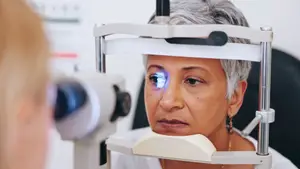
Age-related macular degeneration is a leading cause of vision loss in adults over 60. We monitor dry and wet forms of AMD, looking for early signs of deterioration in the macula—the part of your eye responsible for sharp central vision. While there is no cure, early detection and monitoring can help manage the condition.
Glaucoma
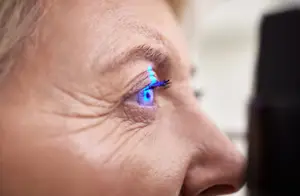
Known as “the silent thief of sight,” glaucoma often develops slowly and without noticeable symptoms. It causes damage to the optic nerve, typically due to increased intraocular pressure. Our optometrist uses pressure testing and OCT scans to detect changes and monitor your condition closely.
Cataract Co-Management
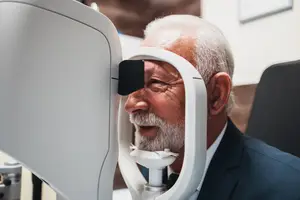
Cataracts are a natural part of aging for many people, causing the lens of the eye to become cloudy. If cataract surgery becomes the right step for you, we’ll provide full co-management: from pre-operative assessment and referrals to post-surgical follow-up care.